Why Museum-Quality Materials Matter for Art Prints
In fine art printing, the materials behind the image carry as much importance as the image itself. Paper, ink, and finishing methods determine whether a print holds its color, detail, and structure for decades or begins to fade within a few years.
As demand grows for professional fine art printing, artists and collectors have started paying closer attention to archival standards. Many creators now sell limited editions, exhibit in galleries, or archive personal work for long-term value. But to make that happen, you need prints that hold their brilliance, preserve details, and stand the test of time.
Let’s explore how museum-quality materials lay the foundation of fine art printing.
What Makes Museum-Quality Materials Essential for Fine Art Printing
Fine art printing is more than just transferring an image onto paper. It involves a thoughtful use of museum-quality materials that boost both the visual quality and the physical durability of the artwork.
Professional-grade substrates and inks maintain not only the artist’s intended tones and details but also protect the print from fading or degrading over time. This is where museum-quality art prints differ from standard consumer-grade prints.
For one, they follow strict archival standards to guarantee that every print will keep its richness and fine detail, even decades later. Secondly, these museum-quality materials preserve both the craft and value of your every archival art print.
The Science Behind Archival Art Prints
Museum-quality printing blends artistry with science. Every pigment, fiber, paper, and coating is chosen to meet strict archival standards that protect both color and structure.
-
Giclée Prints and Archival Pigment Inks
Giclée prints are the gold standard for professional fine art reproduction. This process involves using archival pigment inks sprayed in micro-droplets for precise detail and smooth tonal range with high-resolution inkjet printers.
Pigment-based inks last far longer than dye-based inks because they bond at a molecular level to the archival substrate, resisting UV light and humidity. This makes giclée printing the preferred method for anyone seeking museum-quality art prints that mirror the depth, richness, and longevity of an original painting or photograph. -
Archival Cotton Rag Paper
The paper is the foundation that gives an archival print its character. Archival cotton rag paper is made from 100% natural cotton fibers, known for their strength and neutral pH. These qualities make them immune to the acids that cause yellowing or brittleness.
This paper’s weight, surface texture, and fiber composition give each print a tactile richness and provide exceptional durability over time. As an artist or photographer, when you choose cotton rag, you are selecting the same high-quality materials trusted by galleries and museums to conserve artwork for centuries.
-
Museum-Quality Photo Paper and Fade Resistance
Another essential material in fine art printing is museum-quality photo paper. These papers are coated with protective layers that combat UV damage and moisture, preventing your artwork from cracking or fading.
Collectors and galleries prefer these archival art prints because they stay crisp and color-accurate far longer than standard consumer prints. The combination of pigment ink and fade-resistant coatings provides unmatched stability, something crucial for pieces on public display or in private collections.
Why Museum-Quality Materials Matter for Color Accuracy & Detail
Beyond longevity, the quality of printing materials also defines the color performance and detail sharpness of a fine art print.
Archival substrates, such as cotton rag or premium photo paper, boost tonal range, maintain subtle gradients, and reveal fine details often lost on lower-quality materials. Whereas consumer-grade prints may show color shifts or muted blacks over time, museum-grade media preserve color accuracy and contrast.
Surface texture also plays a key role. Matte, satin, and glossy finishes all affect how light interacts with pigment, altering the visual impact of your artwork. Selecting the right surface makes your print reflect your artistic vision, as is evident from hundreds of archival art prints we made.
Museum-Quality Standards in Modern Fine Art Printing
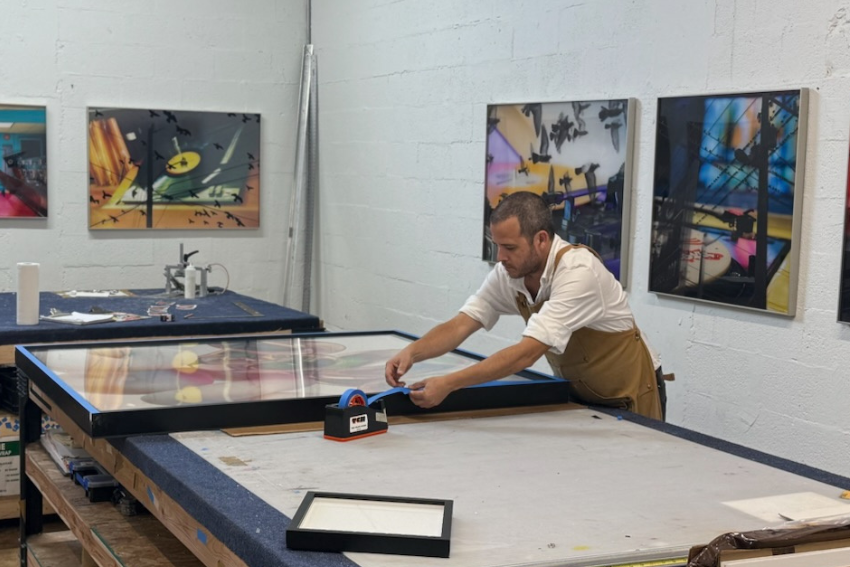
Producing museum-quality art prints goes beyond ink and paper. Your artwork also needs proper handling, mounting, and framing that follows archival principles.
-
Proper Handling, Mounting & Finishing
Professional handling protects your prints from the start. Archival workflows avoid direct contact with bare hands, dust exposure, and uncontrolled humidity. This is done to protect your artwork during the process.
Likewise, archival mounting safeguards the long-term stability of prints. Typically, professional mounting includes using acid-free foam boards or dibond composite panels, UV-protected laminates, and professional adhesives to prevent discoloration and physical damage.
Finishing is equally important, with every stage, from trimming to matting, affecting how the print will age. Choosing professional finishing means each piece remains secure, balanced, and ready for decades of display.
-
Custom Framing for Preservation
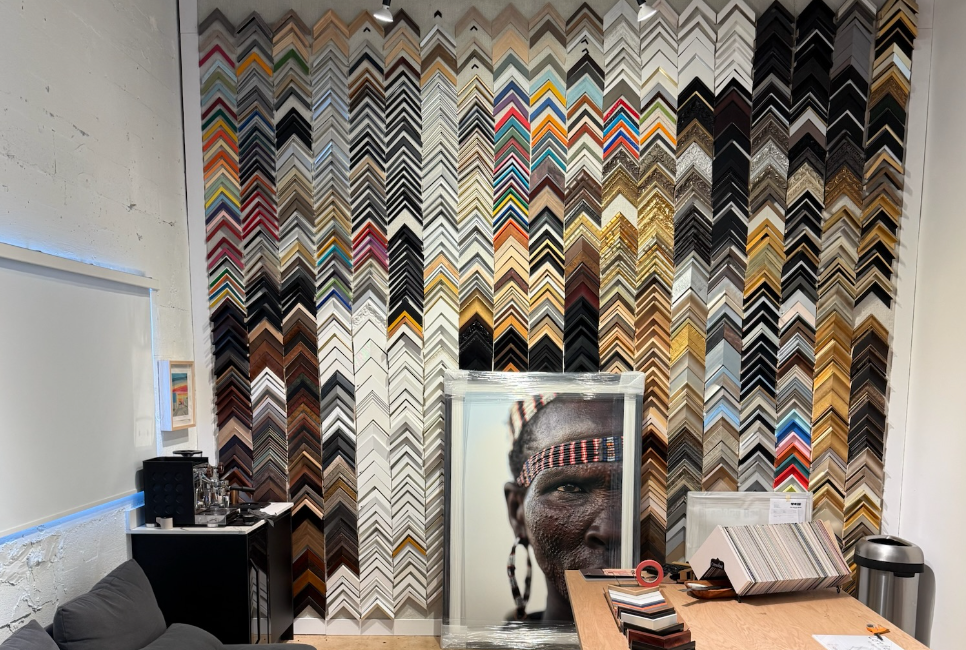
Framing is not purely decorative; it plays a vital role in protection. Choose the wrong one, and your archival art prints might not last long enough. But archival framing methods use UV acrylic, museum glass, and acid-free mat boards to keep your artwork safe from sunlight, moisture, and airborne contaminants.
A frame made with museum-quality materials and meeting archival standards guards your print while also improving its presentation. The bottom line is that you should look for custom framing options and choose the one that best protects and refines your artwork. -
Digitization & Reproduction with Archival Integrity
Before printing, a high-resolution scan or digital capture helps you preserve original artwork details. The digitization process should always maintain true color profiles and texture fidelity to honor the original piece.
When followed to the tee, archival reproduction keeps every nuance, brushstrokes, shadows, and highlights, and translates beautifully in print form. This process upholds both artistic authenticity and long-term display quality.
Benefits of Museum-Quality Materials for Artists, Galleries & Collectors
Choosing museum-quality materials benefits everyone involved in the printing process.
For artists, it elevates how their work is perceived. If you plan to showcase your work in an exhibition space, printing it using museum-quality materials can help you attract potential buyers.
High-quality materials give collectors confidence that each print is worth the investment. Limited editions gain credibility when printed on archival cotton rag paper with pigment-based inks, as these are recognized worldwide as professional-grade standards.
For galleries, the longevity and presentation quality make exhibitions more impactful. Collectors value these attributes because they make sure that prints retain both emotional and monetary worth over time.
Frequently Asked Questions
-
Q: What makes a print “museum quality”?
A: A print is considered museum quality when it meets strict archival standards for inks, paper, and finishing. It must use archival pigment inks and acid-free materials that resist fading, yellowing, or deterioration.
Q: Are giclée prints considered archival?
A: Yes, Giclée prints made with pigment-based inks on archival paper are archival and can last more than a century when properly cared for.
Q: Why is cotton rag paper better for fine art prints?
A: Archival cotton rag paper is naturally acid-free and made from durable fibers. It provides superior texture, stability, and longevity compared to wood pulp papers.
Q: How long do museum-quality art prints last?
A: When produced and stored correctly, museum-quality art prints can last over 100 years without noticeable fading or color shift.
Q: Do framing and mounting affect archival longevity?
A: Using acid-free mats, UV-protective glass, and proper sealing techniques prevents damage and extends the life of your artwork.
Key Takeaways
- Museum-quality materials are the backbone of fine art printing, ensuring color fidelity, durability, and value.
- Combining archival cotton rag paper with pigment inks produces true fine art quality.
- Professional handling, mounting, and framing determine whether your prints retain their beauty over time.
- For artists and collectors who care about legacy, these materials are not optional — they are essential.
Ready to create prints that last for generations? Contact the experts at The Color House Miami to produce your next museum-quality art print using the finest archival materials available.
Call 305-531-1980 or reach out online.