Why Digitizing Your Photos and Artwork Is Essential: Benefits of High-Resolution Scanning
In an age where nearly every part of our lives is stored digitally, many of our most meaningful memories and creative works still exist only in fragile physical form. Printed photographs, original artwork, film negatives, slides, sketches, paintings, and historical documents all face one unavoidable truth: physical media deteriorates over time. Heat, humidity, light exposure, handling, and simple aging slowly erase details that can never be recovered once they’re gone.
Digitizing photos and artwork through high-resolution scanning is no longer just a convenience—it is an essential step in preservation, accessibility, and long-term value. Whether you are safeguarding family memories, protecting original art, or preparing work for reproduction, professional digitization ensures your images survive far beyond the lifespan of paper, canvas, or film.
This guide explains why digitization matters, what high-resolution scanning truly offers, and how it transforms both personal and professional archives.
The Silent Threat to Physical Photos and Artwork
Most people underestimate how quickly physical items degrade. Even when stored carefully, materials begin to change the moment they are created.
Common causes of deterioration include:
-
Humidity and moisture
-
Heat and temperature fluctuations
-
UV light exposure
-
Mold and mildew
-
Acidic paper and inks
-
Oils from human touch
-
Improper framing or storage
-
Natural aging of materials
In cities with warm, humid climates, these effects are accelerated. Colors fade, paper yellows, inks bleed, and fine details disappear. Once lost, these details cannot be recreated without extensive restoration—and sometimes not at all.
Digitization freezes your images in time.
What Does Digitizing Really Mean?
Digitizing is not simply taking a photo with a phone or using a basic home scanner. True digitization involves capturing an image at extremely high resolution and color accuracy so that the digital file faithfully represents the original—often preserving more detail than the human eye can easily see.
High-resolution scanning captures:
-
Fine textures and brush strokes
-
Subtle color gradients
-
Paper grain and canvas weave
-
Sharp edges and intricate details
-
Tonal depth in shadows and highlights
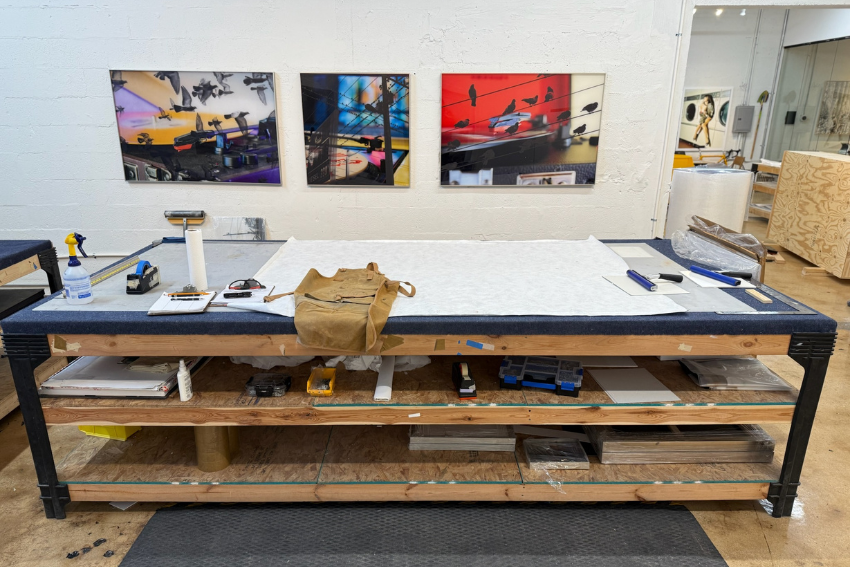
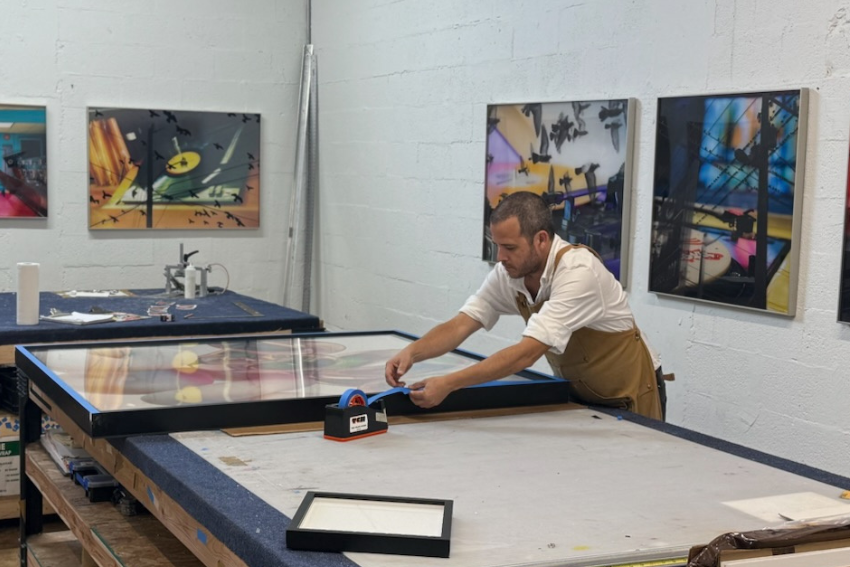
Professional studios like The Color House specialize in scanning techniques that prioritize accuracy, preservation, and future usability rather than quick convenience.
Why High Resolution Matters
Resolution determines how much information is captured in a digital file. Low-resolution scans may look fine on a phone or computer screen, but they fall apart when enlarged, printed, or archived long term.
High-resolution scanning ensures:
-
Images can be printed at large sizes without quality loss
-
Fine details remain intact for restoration or editing
-
Files remain future-proof as display technology improves
-
Artwork can be reproduced accurately
-
Archival standards are met for museums and institutions
Once an item is scanned at high resolution, it never needs to be scanned again. Low-resolution scans often require reprocessing—if the original still exists and hasn’t deteriorated further.
Preservation: The Primary Benefit
Digitization is the most effective form of preservation available today. While physical storage can slow deterioration, it cannot stop it.
Digital files:
-
Do not fade
-
Do not mold
-
Are immune to humidity
-
Can be backed up infinitely
-
Can be duplicated without degradation
By digitizing photos and artwork, you create a permanent reference that protects against loss due to fire, flooding, storms, or accidental damage.
For families, this means safeguarding irreplaceable memories. For artists and collectors, it means protecting creative and financial value.
Accessibility Without Risk
One of the greatest advantages of digitization is accessibility. Physical originals often remain hidden in boxes, drawers, or storage units because handling them risks damage.
Digital files allow you to:
-
View images anytime without touching originals
-
Share copies with family, clients, or publishers
-
Use images for presentations or publications
-
Print new copies without degrading the original
This balance—access without risk—is why digitization has become standard practice in archives, museums, and galleries worldwide.
High-Resolution Scanning for Artwork
Artists and collectors benefit enormously from professional scanning. Photographs of artwork often fail to capture true color, texture, and scale.
High-resolution scanning allows:
-
Accurate color reproduction
-
Capture of surface texture and depth
-
Faithful documentation of original work
-
Preparation for giclée prints or exhibitions
-
Creation of digital portfolios
Studios such as The Color House understand the importance of color management and calibration, ensuring scanned artwork matches the original as closely as possible.
Digitizing Family Photos and Albums
Family photos are among the most commonly digitized items—and often the most emotionally valuable.
Digitization allows families to:
-
Preserve aging prints and albums
-
Restore faded or damaged images digitally
-
Share photos across generations
-
Create photo books and displays
-
Protect memories from loss or disaster
Old albums, slides, and negatives are especially vulnerable. Digitizing them now prevents irreversible deterioration later.
Future-Proofing Your Memories and Work
Technology evolves, but high-quality digital files remain adaptable. A properly scanned image can be reformatted, reprinted, or displayed in new ways as technology changes.
Future benefits include:
-
Compatibility with emerging display formats
-
Use in virtual or augmented reality archives
-
Enhanced restoration with future software
-
Long-term institutional storage standards
Digitization ensures your images remain usable—not obsolete.
High-Resolution Scanning vs. DIY Methods
Many people attempt to digitize items using smartphones or low-cost scanners. While better than nothing, these methods have serious limitations.
DIY scanning often results in:
-
Poor color accuracy
-
Uneven lighting
-
Reflections or glare
-
Distortion
-
Low resolution
-
Inconsistent results
Professional scanning uses specialized equipment, calibrated lighting, and expert handling to avoid these issues entirely.
Digitization and Photo Restoration Work Together
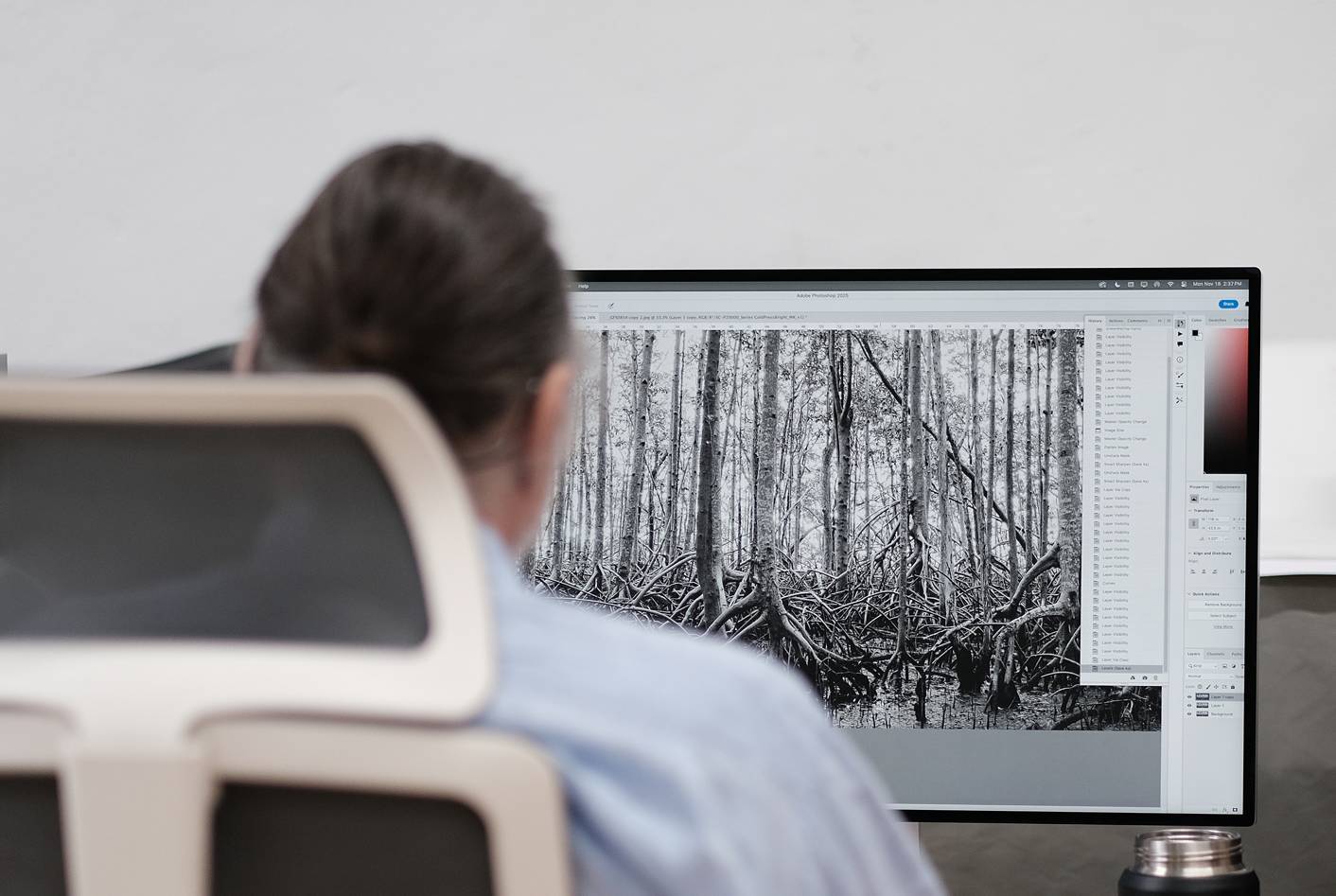
Digitization is often the first step in restoration. High-resolution scans provide the foundation for repairing damage digitally without touching the original.
Restoration benefits include:
-
Repairing cracks, tears, and stains
-
Correcting faded or shifted colors
-
Rebuilding missing details
-
Enhancing clarity while preserving authenticity
Without a high-quality scan, restoration is limited. This is why restoration professionals insist on proper digitization before any corrective work begins.
Archival and Professional Applications
Digitization is not just for personal use. It plays a critical role in professional and institutional settings.
Common applications include:
-
Museums and archives
-
Universities and libraries
-
Publishers and authors
-
Designers and marketers
-
Estate documentation
-
Legal and historical records
High-resolution digital files ensure accuracy, longevity, and reproducibility in professional environments.
Storage and Backup: Completing the Process
Digitizing is only effective if files are stored properly.
Best practices include:
-
Multiple backups in different locations
-
Cloud storage combined with physical drives
-
Organized file naming and metadata
-
Periodic file integrity checks
Many professional studios provide guidance or services to help clients manage their digital archives responsibly.
Emotional Value Meets Practical Value
Beyond technical benefits, digitization offers emotional peace of mind. Knowing that precious photos and artwork are safely preserved allows people to enjoy them without fear.
It transforms fragile items into shareable, enduring legacies.
This combination of emotional and practical value is why more people turn to experienced providers like The Color House when entrusting their most meaningful images to digitization.
When Should You Digitize?
The answer is simple: before damage becomes irreversible.
Signs it’s time to digitize include:
-
Fading or discoloration
-
Brittle paper
-
Mold spots
-
Curling prints
-
Sticky photo albums
-
Aging artwork or documents
Waiting rarely improves the situation. Early digitization preserves maximum detail.
Preservation Is a Choice
Every photograph and piece of artwork has a lifespan—but that lifespan can be extended indefinitely through digitization. High-resolution scanning does more than create digital copies; it preserves detail, protects value, and ensures accessibility for generations to come.
Whether you are safeguarding family history, protecting original art, or building a professional archive, digitization is one of the most important investments you can make.
Memories fade. Paper degrades. Files endure.
Choosing to digitize today ensures that what matters most is never lost to time.