Custom Framing & Mounting: Why It Matters for Fine Art Prints

Your fine art deserves more than a quick frame from a store shelf. Custom framing and mounting provide your artwork with both protection and presentation value that lasts for decades.
Every fine art print holds meaning and creative expression. It’s an investment, whether you are a photographer, collector, or gallery owner, and high-quality framed art prints reflect your deeper appreciation for its longevity. The right frame and mount also improve the look and feel of your art.
Let’s find out why you need custom framing and mounting.
Why Proper Framing Matters for Fine Art Prints
While most people choose a frame based on its looks, it does more than decorate your fine art print; it also protects. Good fine art print framing acts as a barrier between your artwork and its environment.
Exposure to sunlight, humidity, and pollutants can slowly deteriorate a print’s quality, causing colors to fade and paper to warp. Quality picture framing keeps those elements at bay while preserving the fine detail the artist intended.
Cheap or mass-produced frames typically contain acidic materials that cause yellowing and brittleness over time. These frames can even compress or distort delicate art paper. Many artists and collectors know that investing in custom framing yields better visual results and stronger preservation.
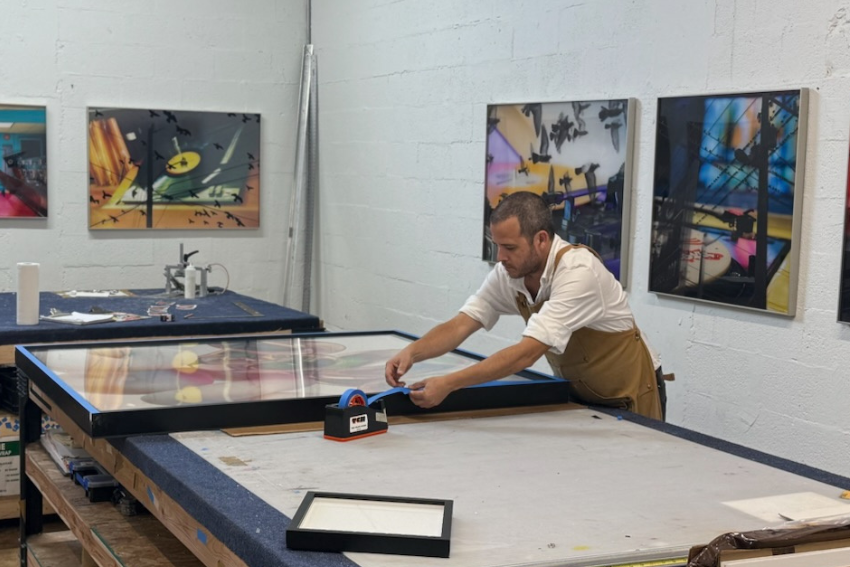
When you hire a professional team, every piece is framed with museum-level care. The process includes material selection, precise assembly, and design recommendations depending on each artwork. This level of detail keeps the focus on your art while maintaining protection for years to come.
What’s the Role of Archival Framing Materials
Fine art print framing is as much about science as it is about design. Archival-quality framing materials make a significant difference in how long your artwork maintains its original tone, texture, and integrity.
-
Prevent Damage
Archival materials are designed to protect artwork from deterioration. They include acid-free mats, archival backing boards, and UV-protected glazing. Using these prevents the slow chemical reactions that turn paper brittle or yellow. Acid-free mats and boards neutralize pH levels, while UV glazing filters out harmful light rays.
Professional mounting services use these materials to create a stable environment for your fine art print. They prevent airborne pollutants, temperature shifts, and moisture from seeping in. This preservation-centered approach maintains both color accuracy and paper stability.
-
UV Protection & Environmental Stability
UV-protected glass or acrylic is critical in any fine art print framing. It blocks the wavelengths responsible for fading, especially in pigment-based prints and photographs. UV glazing also reduces glare and reflections, allowing viewers to see the true texture and saturation of the artwork.
Environmental stability goes beyond light. Fluctuating humidity and temperature affect print fibers and adhesives. High moisture causes expansion and contraction, leading to warping or rippling beneath the glass. Controlled, stable framing conditions prevent these issues before they start.
-
Choose the Right Frame for the Artwork
Frames should improve the look and feel of your art, not overshadow it. The right frame complements the medium. For example, woodgrain may highlight the warmth of a traditional print, while matte black or metallic tones fit modern photography.
Material selection matters just as much as color. Some woods naturally resist warping and hold up better over time, while metal frames offer clean edges ideal for contemporary pieces.
That said, framing isn’t purely aesthetic. It’s also structural. A frame that fits the print correctly supports both tension and weight evenly. That’s what we believe in at The Color House Miami, and it’s evident in every fine art print we have framed to date.
Mounting Techniques That Protect and Enhance Fine Art Prints
Mounting is the hidden foundation of any framed piece. It supports the print, prevents movement, and defines how the artwork rests within its frame. Selecting the right mounting technique can make a noticeable difference in the presentation and preservation of your artwork.
-
Go with Archival Mounting for Longevity
Archival mounting methods are designed to keep artwork flat and secure without causing chemical or physical stress. There are several approaches:
- Dry mounting involves heat-activated adhesive but is typically reserved for posters or non-archival work.
- Hinge mounting uses paper or linen hinges attached to the back of the print, allowing slight natural movement.
- Float mounting suspends the artwork slightly above the backing, creating subtle shadow and depth.
-
Think of How Mounting Affects Print Presentation
Mounting influences how an observer experiences a fine art print. A floating mount adds dimension and modernity, giving the impression that the artwork hovers within the frame. Hinge mounting maintains the traditional integrity of the paper edges, highlighting its artistic texture.
Professional mounting corrects any slight paper curl or wave, keeping the print perfectly flat and visually precise. This not only improves the presentation of fine art print framing but also keeps the surface free of distortions. Whether for photography, drawings, or limited editions, precise mounting heightens the sense of intent and craftsmanship within the piece.
-
Don’t Ignore Preservation Benefits for Photo Framing
Photographic prints are susceptible to light and moisture. Professional photo framing prevents fading, discoloration, and physical abrasions. Proper backing materials maintain a neutral pH, stabilizing the print over time.
Professional framers also select the right photo scanning and glazing to protect the surface finish. You can typically choose from glossy, matte, or metallic finishes depending on your fine art print and custom framing. When done professionally, each photo receives careful handling, avoiding adhesives that might react with delicate emulsions.
What Artists, Photographers & Collectors Use Custom Framing For
Artists use custom framing to present their work professionally in exhibitions and galleries. The right frame complements each piece, highlighting color, texture, and composition while protecting the print during display and transport.
Photographers choose fine art print framing to elevate their work. Picture framing adds depth, precision, and permanence, turning photographs into visually striking centerpieces ready for clients or gallery walls.
Collectors depend on archival framing materials to preserve value and authenticity. Quality framing shields delicate prints from humidity, light, and aging, maintaining both the artwork’s appearance and market integrity.
In Miami, where artists, photographers, and collectors from around the world come together to celebrate fine art, you need not only custom framing but also a full-service gallery to showcase your work. The Color House Miami has a full-service gallery and a professional framing and printing team that helps local talent stand out.
Frequently Asked Questions (FAQs)
Q: Why is custom framing better than ready-made frames?
A: Ready-made frames typically use low-quality materials that may contain acid or lack proper sealing. Custom framing is built around the artwork's specific dimensions, materials, and preservation needs.
Q: What archival materials should I use for fine art prints?
A: Acid-free mats, backing boards, and UV-filtered glazing are essential. These archival framing materials prevent discoloration, fading, and paper breakdown.
Q: How does professional mounting protect artwork over time?
A: Professional mounting keeps the print flat and secure, preventing buckling, wrinkles, or adhesive staining. Archival mounting techniques provide both physical and chemical stability.
Q: What are the best framing options for photo prints?
A: Choose photo framing with UV acrylic or glass, acid-free backings, and supportive mounts suited to your paper type. A sleek metal or wood frame can further match the tone and style of the photograph.
Q: Does framing affect the value of fine art prints?
A: Yes, professional fine art print framing helps maintain your artwork’s market and aesthetic value by preventing environmental and structural damage. It can also increase visual appeal in sales or exhibitions.
Key Takeaways
- Custom framing and professional mounting protect and improve any fine art print.
- Archival materials such as acid-free mats and UV glazing extend artwork life.
- High-quality picture framing strengthens both preservation and presentation.
- Framing choices influence how viewers experience your art and how well it lasts.
Need help framing your fine art print? At the Color House Miami, we offer fine art printing, custom framing, and a full-service gallery for the local talent.
Call 305-531-1980 or reach out online to book the service you need.