The Complete Guide to Photo Restoration Services in Miami
Photographs are more than images on paper—they are emotional records of family history, cultural heritage, and personal milestones. In a city like Miami, where families often span generations and continents, photographs carry even deeper meaning. From faded wedding portraits and damaged heirlooms to hurricane-affected albums and aging negatives, photo restoration services play a critical role in preserving memories that might otherwise be lost forever.
This guide explains everything you need to know about photo restoration services in Miami: what they include, how the process works, what to expect in terms of quality and pricing, and how to choose the right professional for your needs.
Why Photo Restoration Matters More Than Ever
Time is not kind to photographs. Heat, humidity, light exposure, poor storage, and natural disasters all contribute to deterioration. In Miami’s tropical climate, these issues are accelerated.
Common problems include:
-
Fading and discoloration
-
Yellowing from age or chemical breakdown
-
Mold or mildew damage
-
Water damage from flooding or storms
-
Tears, creases, and scratches
-
Cracked or peeling emulsion
-
Loss of detail in faces or backgrounds
Without intervention, many photos will continue to degrade until they become unusable. Photo restoration not only repairs damage but also stabilizes images for long-term preservation.
What Is Photo Restoration?
Photo restoration is a specialized digital process that repairs, reconstructs, and enhances damaged photographs while maintaining their original character. Unlike basic photo editing, restoration focuses on accuracy, historical integrity, and subtlety.
Professional restoration can include:
-
Color correction and balancing
-
Rebuilding missing or damaged areas
-
Repairing cracks, tears, and stains
-
Removing dust, scratches, and mold marks
-
Enhancing facial details
-
Correcting exposure and contrast
-
Restoring black-and-white or color photos
In Miami, where many families rely on restoration to preserve images affected by humidity or hurricanes, skilled professionals such as The Color House are often sought for their precision and experience.
The Photo Restoration Process Explained
Understanding the restoration process helps set realistic expectations and ensures you choose the right service provider.
1. High-Resolution Scanning
The original photo is scanned at very high resolution to capture every detail. This step is critical—poor scans limit restoration quality.
2. Digital Assessment
Technicians analyze the image to identify damage, missing areas, discoloration, and detail loss.
3. Manual Restoration
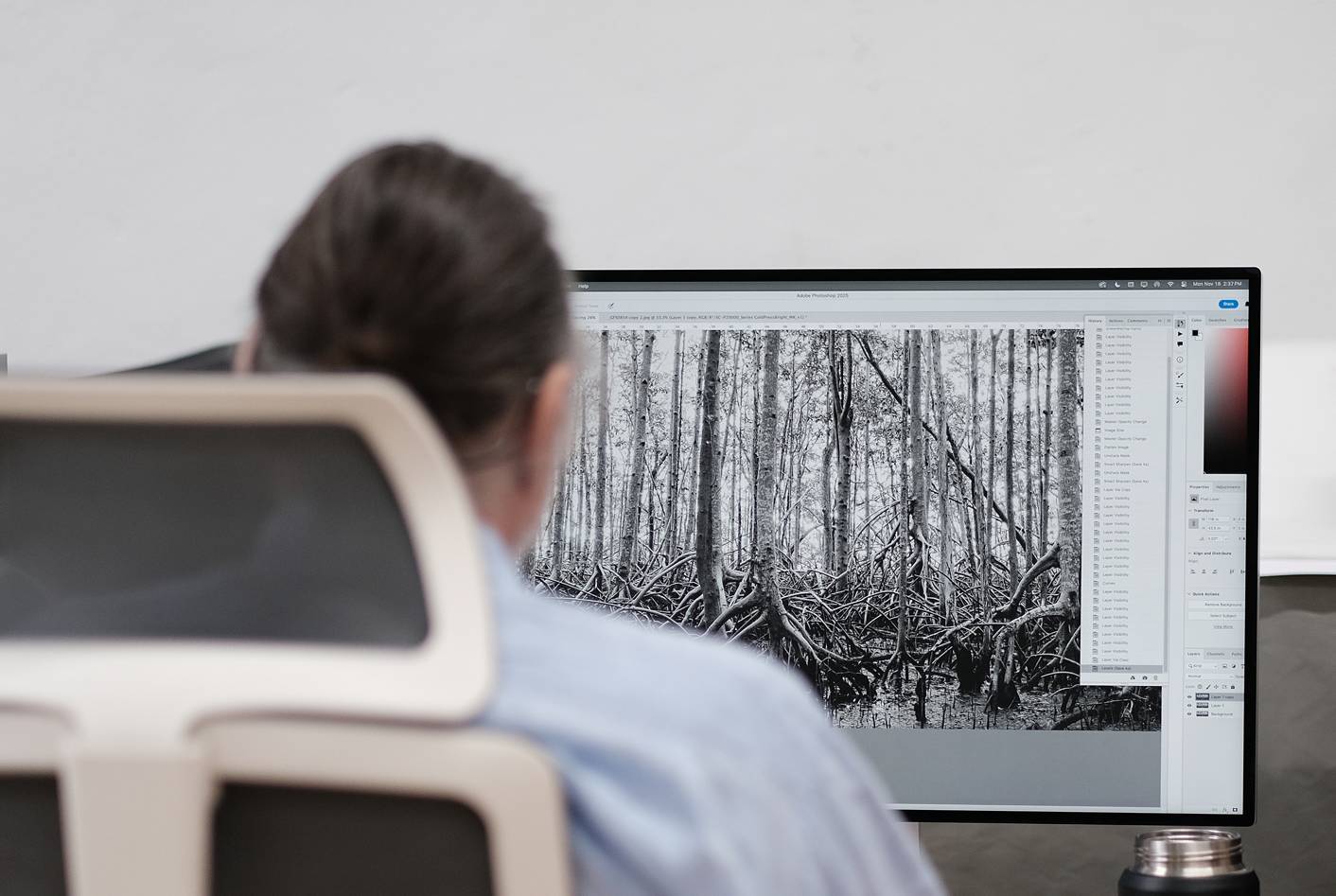
Using professional software, restorers manually repair the image pixel by pixel. This is not an automated filter—it is skilled, time-intensive work.
4. Color and Detail Refinement
Colors are corrected or reconstructed, contrast is balanced, and details are sharpened carefully to avoid an artificial look.
5. Client Review
Most reputable services offer previews or revisions to ensure satisfaction before final delivery.
Types of Photo Restoration Services in Miami
Miami’s diverse population and environment create a wide range of restoration needs.
Family Heirloom Restoration
Old family portraits, immigration photos, and multi-generational images are among the most commonly restored items.
Water and Hurricane Damage Restoration
Flooding and storm damage are unfortunately common. Restoration can often recover images that appear beyond saving.
Black-and-White Photo Restoration
Restoring contrast, clarity, and tone without losing authenticity requires specialized expertise.
Color Photo Restoration
Early color photos often fade unevenly. Accurate color reconstruction is one of the most challenging restoration tasks.
Photo Reconstruction
When parts of an image are missing or severely damaged, restorers may rebuild areas using reference material or artistic techniques.
Digital vs. Physical Restoration
Modern restoration is primarily digital, even when the final product is printed. Physical repairs to original photos are rare and risky.
Digital restoration offers:
-
Non-destructive editing
-
Unlimited revisions
-
Multiple output formats
-
Long-term digital archiving
Many Miami clients choose digital restoration to preserve fragile originals while creating new prints for display or sharing.
How Long Does Photo Restoration Take?
Turnaround time varies based on:
-
Severity of damage
-
Photo size and resolution
-
Number of photos
-
Level of detail required
Simple restorations may take a few days, while complex reconstructions can take weeks. Professionals like The Color House typically provide timelines upfront after reviewing the image.
Understanding Pricing for Photo Restoration
Photo restoration pricing is not one-size-fits-all. Costs depend on labor, complexity, and time—not just photo size.
Factors that affect pricing include:
-
Extent of damage
-
Required reconstruction
-
Color vs. black-and-white
-
Output needs (digital, print, enlargement)
Be cautious of unusually low prices. Restoration is skilled work, and cheap services often rely on automated tools that compromise quality.
What to Look for in a Miami Photo Restoration Service
Choosing the right provider is crucial. Look for:
Experience and Portfolio
Review before-and-after examples that demonstrate realism and attention to detail.
Manual Restoration
Avoid services that rely solely on filters or AI without human oversight.
Clear Communication
A good provider explains the process, limitations, and expected results clearly.
Revision Policy
Reputable restorers offer revisions to ensure satisfaction.
Local Knowledge
Miami’s climate and history create unique restoration challenges that local professionals understand well.
Many families trust established studios such as The Color House because of their experience handling delicate, irreplaceable images.
Common Myths About Photo Restoration
“Old photos can’t be fixed.”
Many severely damaged photos can be restored far beyond expectations with modern techniques.
“Restoration will look fake.”
High-quality restoration preserves realism and respects the original image.
“Digital copies aren’t valuable.”
Digital restoration protects originals while allowing endless reproduction and sharing.
Preparing Your Photos for Restoration
To ensure the best results:
-
Do not attempt DIY repairs
-
Avoid cleaning or taping damaged photos
-
Store photos in protective sleeves
-
Provide any reference images if available
Even small details can help restorers accurately reconstruct missing elements.
Preserving Restored Photos Long-Term
After restoration, preservation matters.
Best practices include:
-
Storing originals in acid-free materials
-
Keeping photos away from humidity and light
-
Backing up digital files in multiple locations
-
Printing with archival-quality materials
Proper care ensures restored photos last for generations.
Photo Restoration for Personal and Professional Use
While family restoration is most common, Miami businesses and institutions also rely on restoration services for:
-
Historical archives
-
Museums and galleries
-
Marketing materials
-
Memorial displays
Professional restoration ensures images are suitable for both display and reproduction.
Why Miami Is a Hub for Photo Restoration
Miami’s multicultural population, coastal environment, and history of migration create a strong demand for restoration services. Photos often arrive from different countries, climates, and eras—each with unique challenges.
This has led to the growth of specialized restoration professionals who combine technical skill with artistic sensitivity.
Restoring More Than Just Images
Photo restoration is about more than fixing damage—it’s about preserving identity, memory, and connection. In a city as vibrant and diverse as Miami, restored photographs become bridges between generations and cultures.
Whether you’re saving a single treasured portrait or restoring an entire family archive, choosing the right restoration service makes all the difference. Skilled professionals, thoughtful processes, and respect for the original image ensure memories are preserved—not rewritten.
With careful selection and proper care, restored photos can continue telling their stories for decades to come.