How High-Resolution Scanning Preserves the True Essence of Original Artwork
Every piece of art tells a story that lives through its texture, detail, and color. Over time, though, even the best-preserved artwork begins to fade, crack, or lose vibrancy. This is where high-resolution artwork scanning comes in. It offers artists, collectors, and photographers across Miami and beyond a way to protect and share their vision long after the original has aged.
Physical artwork is vulnerable to light, temperature, humidity, and handling. As these factors take a toll, the need to digitize artwork for long-term preservation grows stronger. With advanced scanning technology, a single digital file can capture what the human eye might miss: subtle color transitions, fine brushstrokes, and detailed tonal shifts.
Let's explain how fine art scanning preserves texture, color, and detail while allowing for perfect reproductions and lasting digital archives.
Why High-Resolution Artwork Scanning Matters
A high-resolution scan creates a digital version of your artwork that mirrors the original as closely as possible, and it's one of the critical steps in the fine art reproduction process. Unlike consumer scanners, professional scanning services use specialized cameras, lenses, and lighting setups that pick up every grain of pigment and texture within the surface.
Artists rely on this process not only to capture their work but to future-proof it. When an artist scans artwork for printing, small details become essential. Shadows, gradients, and fine edges define the personality of a painting, drawing, or photograph. Without the right resolution and color management, those features can disappear.
High-quality scans protect your artwork’s integrity. They preserve fine elements that could be lost through photography or casual scanning. Most importantly, a digital scan serves as permanent insurance against physical damage.
The Science Behind Fine Art Scanning
Technology has refined the practice of scanning artwork for printing and restoration, with AI also playing a key role in the process. Whichever technology you use, quality always comes down to how well the scan records every bit of color, shadow, and texture of your artwork.
Resolution, Color Depth & Dynamic Range
When digitizing artwork, resolution determines how much visual information gets recorded. It refers to the number of pixels in a scanned image. For artwork scanning, you need to go well beyond standard document settings.
Typically, scanning artwork for printing deserves at least 300 pixels per inch (PPI) for prints, and many professionals use 600 PPI or even higher for delicate originals or detailed photographs. High-resolution scanning allows every stroke, mark, and detail to be visible in digital and print formats.
Color depth measures how many colors the scanner can distinguish and record. Consumer scanners might offer 24-bit color, while fine art scanning systems can capture up to 48-bit color, resulting in richer tone variation and smoother gradients. This is crucial for preserving original vibrancy and the tonal subtleties of mixed media, photography, and painting.
Meanwhile, dynamic range measures how well a scanner records light and dark areas without losing contrast. High dynamic range matches the experience of standing before the art itself, making sure shadows and highlights in the digital file mirror those of your original artwork.
Flatbed vs. Large-Format Professional Scanning
Flatbed consumer scanners are practical for snapshots and general use. When it comes to artwork larger than 8x10 inches or pieces that have depth and texture, these scanners struggle. They compress or ignore surface detail, creating images that feel flat or washed out.
Professional scanning services use large-format or specialty scanners that accommodate artwork of many sizes, mediums, and dimensional features. These machines do not squash texture or miss subtle paint ridges. As a result, you get a scan ready for print, exhibition, or digital archiving.
Accurate Color Management in Artwork Scanning
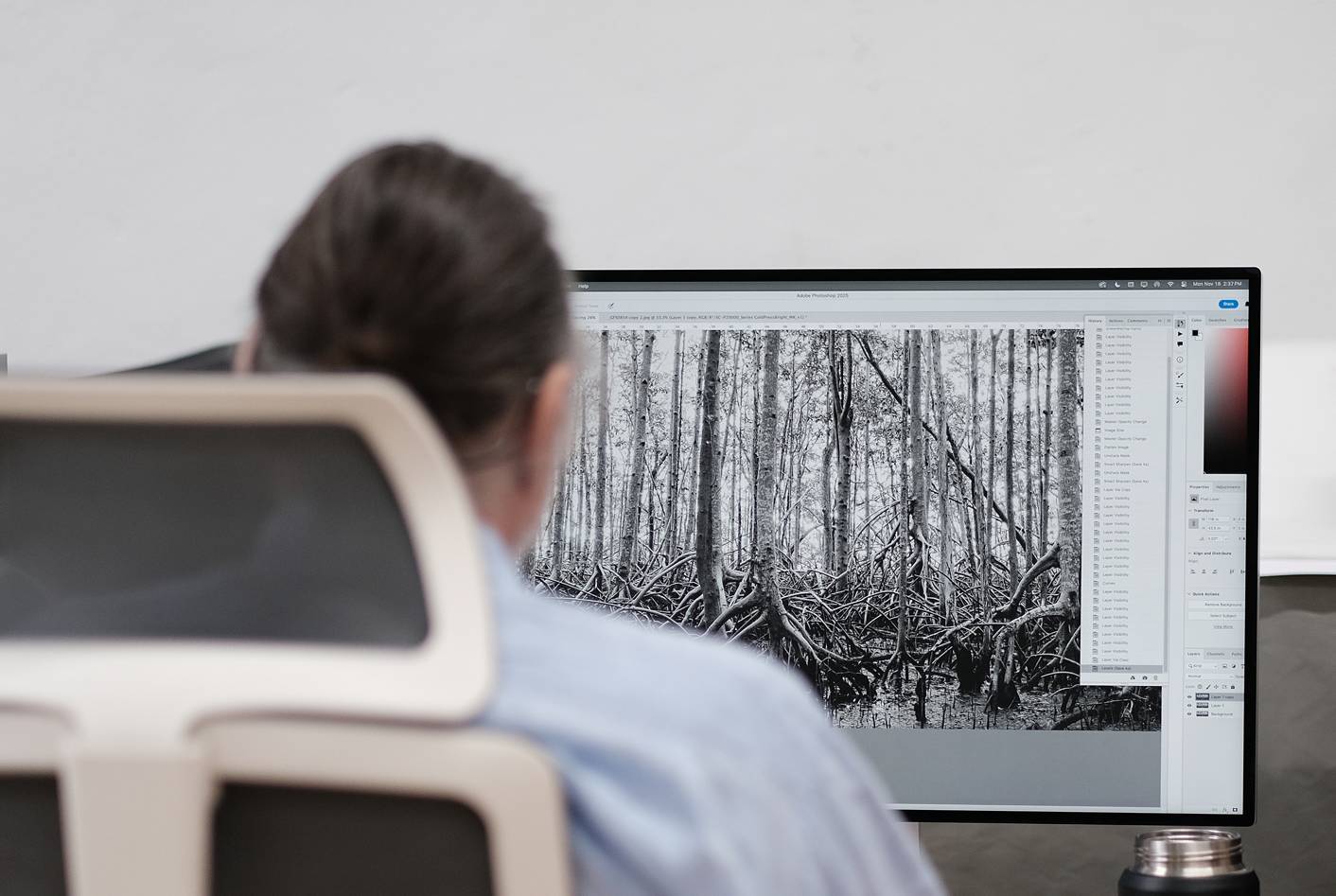
True preservation of art requires that the digital scan’s color matches your original work as closely as possible. At every step of digitizing artwork, color management tools and calibrated monitors are necessary to spot and fix even small color shifts.
When reproducing fine art, experts use color profiles, reference targets, and controlled lighting to stop digital images from looking too cool, warm, or saturated. This discipline lets creators, collectors, and galleries present new prints or digital versions that hold up to scrutiny against the physical piece.
Digitizing Artwork for Preservation & Reproduction
Converting physical artwork into digital formats focuses on both long-term preservation and the ability to reproduce pieces accurately. Digitization safeguards your original works while making them accessible to a wider audience, including your first-ever art exhibition.
Protecting Originals from Handling & Exposure
Artworks are delicate. Frequent touch, light exposure, and environmental changes can cause long-term damage. Digitizing artwork eliminates excessive handling by providing accurate digital files that can be viewed, printed, or shared without touching the original piece.
Once digitized, your files can be stored in multiple formats and devices, providing stability against deterioration or accidental loss. For many collectors and galleries, this is both a preservation strategy and a documentation method.
Scanning Artwork for Printing
When scanning artwork for printing, file quality takes center stage. High-resolution, color-accurate scans mean that your prints or enlargements lose none of the energy or intention of the original piece. Faint lines, subtle texture, and specific coloration remain visible, even at large sizes.
Artists often use these files for limited editions, gallery shows, or merchandise. Galleries and collectors in Miami are discovering that proper scanning ahead of time means a ready digital archive if a print, restoration, or loan is needed in the future.
Photo Digitization and Artwork Legacy
Preserving photographs, negatives, or historical artwork follows the same principles. Photo digitization captures valuable visual records in formats that last indefinitely. It allows future generations to enjoy, reprint, or study images long after physical decay has begun.
Archival-quality scans make collections portable and accessible. Artists and historians use fine art scanning to create databases of original works for exhibitions, research, and restoration. For family archives or personal portfolios, digitization safeguards sentimental and creative value.
Over time, these files become your permanent legacy, a digital footprint that resists time and environmental damage.
How Professional Scanning Services Elevate Art Reproduction
Professional scanning services do more than produce large files. They combine technical expertise, advanced equipment, and a controlled environment. Technicians understand how light interacts with pigments and textures, adjusting their process to capture subtle variations that standard devices miss.
Art galleries in Miami preparing for a major exhibition depend on scanning for digital displays and reproduction. Private collectors use it to back up insurance files or to commission high-quality prints for different spaces. On the other hand, photographers and designers trust professional scanning services when they want their work printed without compromise.
The most important thing is respecting the originality of the artwork at every step. Practical knowledge and careful process help your artwork maintain its unique energy and intent, even after being transferred from physical to digital form.
Frequently Asked Questions (FAQs)
Q1: What resolution is best for scanning artwork?
For professional results, a resolution of at least 300–600 dpi works for prints. However, large or detailed pieces may require higher settings to capture texture accurately.
Q2: Is professional fine art scanning better than standard scanning?
While consumer scanners suffice for casual tasks, professional scanning services use high-end equipment that preserves more detail, depth, and accurate color. It's a better choice if you want the best possible digitization for your artwork.
Q3: Can scanned artwork be used for high-quality printing?
Yes, when scanning artwork for printing, high-resolution files make prints look nearly identical to the original. Proper color management maintains tonal quality and contrast, which is much easier to print on the right type of paper or canvas.
Q4: How does scanning preserve original artwork?
By digitizing artwork, the original faces less handling and exposure. Digital copies provide a way to display, print, and share art without risking physical damage.
Q5: What types of artwork can be digitized?
Artwork scanning applies to paintings, drawings, photographs, prints, negatives, and mixed-media pieces. At The Color House Miami, we adjust lighting and setup to handle each surface appropriately.
Get High-Resolution Artwork Scanning in Miami
High-resolution artwork scanning captures color, texture, and fine details that ordinary tools miss. It preserves the authenticity of original art while enabling reliable reproductions and digital archives.
That said, fine art scanning is not just about technology; it is about respect for the creative process. Every pixel recorded represents a layer of the artist’s dedication. Professional studios bring both precision and passion to the task, helping artworks transcend their physical limits.
Need help scanning your artwork in Miami? Call 305-531-1980 or contact us online to get started.